
Jun 26, 2026
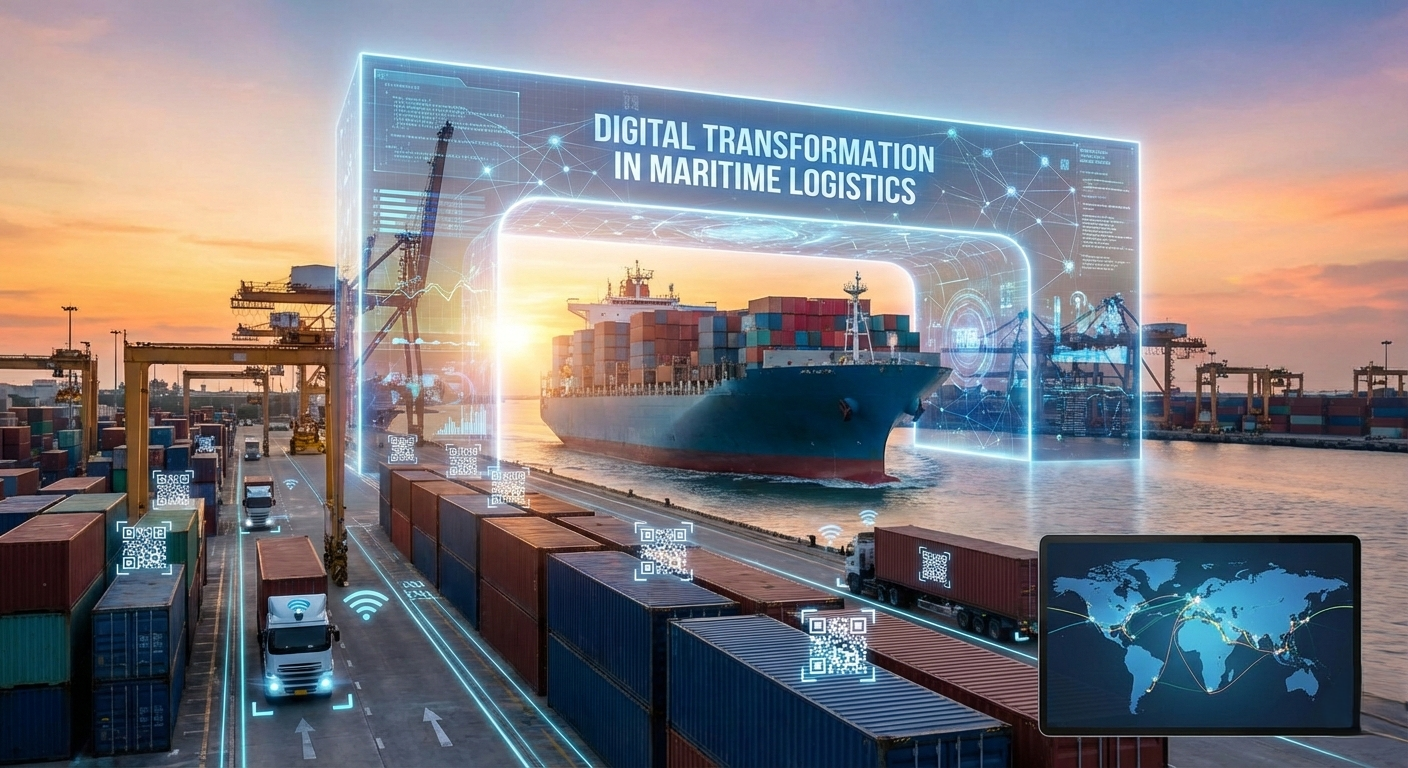
DIGITAL TRANSFORMATION IN MARITIME LOGISTICS
Introduction
The maritime logistics sector is undergoing a significant digital
transformation. Ship owners, managers, and suppliers are increasingly relying
on digital systems to streamline procurement and logistics operations. In
today’s fast-paced shipping environment, trusted digital platforms are no
longer optional they are essential for ensuring transparency, efficiency, and
reliability across the supply chain.
Key Digital Platforms & Tools
Modern maritime operations leverage a variety of digital platforms to manage
procurement and documentation efficiently:
·
E-procurement platforms: Tools
like MESPAS, ShipServ, and ProcureShip facilitate seamless communication
between ship operators and suppliers.
·
Digital documentation and e-certificates:
Electronic certificates and documentation ensure compliance and reduce manual
errors.
Why These Platforms Matter
The adoption of digital systems offers several crucial advantages:
·
Verified suppliers and standardized processes:
Ensuring all procurement activities meet regulatory and industry standards.
·
Reduced procurement errors and
documentation issues: Minimizing costly mistakes and delays.
·
Clear audit trails and traceability:
Enhancing accountability and enabling thorough record-keeping.
Benefits for Shipping Companies
Shipping companies that adopt digital tools experience tangible operational
improvements:
·
Faster quotations and order processing:
Accelerating procurement cycles and reducing downtime.
·
Better cost visibility and control:
Streamlining budgeting and financial planning.
·
Improved coordination between vessels
and suppliers: Enhancing supply chain responsiveness and overall
efficiency.
Impact on Ship Chandling
Digital transformation has significantly modernized ship chandling processes:
·
Accurate IMPA/ISSA-based ordering:
Ensuring that vessel needs are precisely met with standardized codes.
·
Real-time order and delivery status:
Keeping ship operators informed at every stage of the supply chain.
·
Faster response during port calls:
Reducing turnaround times and improving operational efficiency.
Role of Solanki Ship Care
Solanki Ship Care exemplifies how digital and certified processes benefit the
maritime industry. As a registered supplier on major procurement platforms,
with IMPA membership and ISO-certified operations, Solanki Ship Care provides
ship owners in India with a reliable, compliant, and transparent partner for
all marine procurement needs.
Conclusion
Digital platforms and certified suppliers are transforming maritime logistics
by reducing risks, improving transparency, and enhancing operational
confidence. For shipping companies, adopting these tools is no longer a future
goal it is a strategic necessity for efficient, compliant, and cost-effective
operations.