
Jun 26, 2026
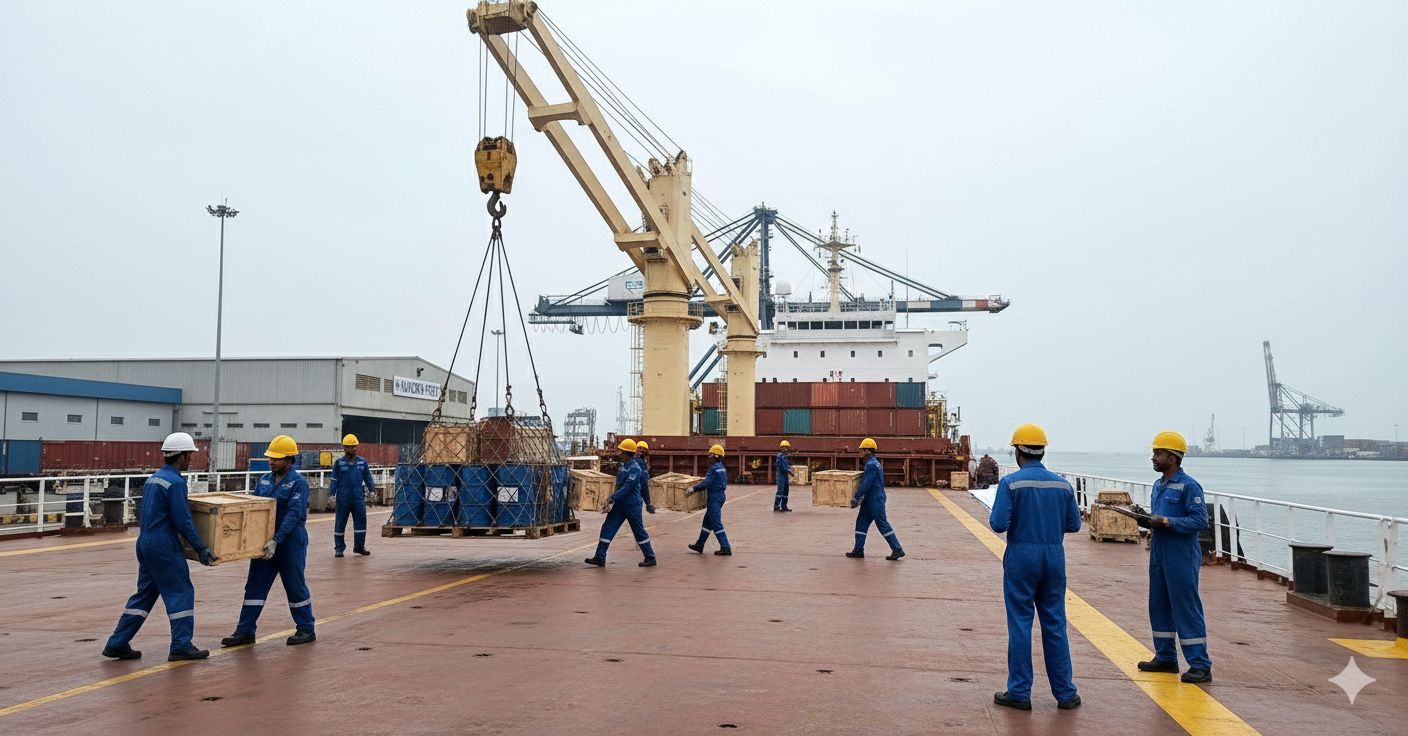
BEHIND THE SCENES: VENDOR COORDINATION IN SHIP SUPPLY OPERATIONS
Introduction: The Hidden Engine of Ship Supply Operations
Ship supply operations may appear straightforward, but behind every successful delivery lies a complex coordination effort. Vessels operate under strict port timelines, security regulations, and operational pressures that leave no margin for delays or errors. Whether it is provisioning fresh stores, delivering technical spares, or managing bonded supplies, seamless coordination between multiple vendors and authorities is essential.
Vendor coordination acts as the invisible engine that keeps ship supply operations running smoothly. At Solanki Ship Care, this process is handled with precision, experience, and structured planning—ensuring vessels receive uninterrupted support at every port call.
Local Vendors: The Foundation of Reliable Ship Supply
Why Local Vendors Are Critical to Maritime Operations
Local vendors play a vital role in ship supply operations due to their proximity to ports and familiarity with regional logistics. Their ability to respond quickly to vessel requirements makes them indispensable, especially during short port stays or urgent situations.
Ship supply rarely depends on a single source. Instead, it requires coordinated efforts from multiple specialized vendors to ensure that vessels receive provisions, technical items, and consumables without compromising on quality or timelines.
Key roles played by local vendors include:- Timely delivery of fresh provisions, dry stores, and bonded supplies
- Supply of technical consumables, tools, spare parts, and maintenance materials
- Flexibility to manage urgent or last-minute requisitions
- Strong familiarity with port procedures and compliance requirements
Reliable vendor partnerships help vessels sail fully prepared while maintaining operational efficiency and cost control.
Port Gate Access and Security: Navigating Controlled Environments
Managing Port Access Without Delays
Port security regulations are among the most challenging aspects of ship supply operations. Vendors must comply with strict entry protocols, documentation requirements, and cargo screening procedures before accessing restricted port areas.
Any delay at the port gate can disrupt delivery schedules and impact vessel departure times. Effective management of port access is therefore critical to ensuring smooth supply operations.
Common challenges during port access include:- Restricted entry windows and high-security port zones
- Mandatory permits, gate passes, and identity verification
- Coordination with port authorities and terminal operators
- Compliance with port-specific safety and documentation rules
With experience across Indian ports, Solanki Ship Care proactively manages these procedures, ensuring timely access and uninterrupted deliveries.
Time-Sensitive Coordination in Ship Supply Operations
Handling Tight Schedules and Changing Vessel Timelines
Ship supply operations are inherently time-bound. Vessels often have limited berthing time, and changes in ETA or operational requirements can directly affect planned deliveries.
Key coordination challenges include:- Synchronizing deliveries from multiple vendors
- Managing sudden changes in vessel arrival or departure times
- Completing loading within strict port time limits
- Responding quickly to urgent crew or technical requirements
Solanki Ship Care mitigates these challenges through advance planning, real-time updates, and continuous coordination with vendors, port agents, and vessel crews.
Risk Management in Multi-Vendor Ship Supply
Reducing Operational and Compliance Risks
When multiple vendors are involved in supplying a single vessel, the risk of errors increases. Without proper controls, these risks can affect quality, compliance, and overall operational efficiency.
Common risks include:- Incomplete or delayed deliveries
- Quality inconsistencies in provisions or technical items
- Documentation or regulatory compliance errors
- Miscommunication between vendors and port authorities
Through strict vendor vetting, standardized delivery protocols, and real-time verification, Solanki Ship Care ensures smooth and compliant ship supply operations.
How Solanki Ship Care Manages Vendor Coordination
A Centralized and Structured Approach
Solanki Ship Care acts as a single coordination point for all ship supply activities. This centralized control eliminates confusion, improves accountability, and ensures seamless execution across vendors.
Key elements of Solanki Ship Care’s coordination strategy include:- Centralized planning and scheduling of vendor deliveries
- Pre-approved and trusted vendor networks
- Continuous monitoring of port access and delivery status
- Clear communication between vessel crew, port authorities, and suppliers
- Rapid response to urgent or last-minute requirements
Conclusion: Seamless Coordination for Efficient Ship Supply
Vendor coordination is the backbone of efficient ship supply operations. From managing trusted local vendors and navigating strict port security to handling time-sensitive deliveries and minimizing risks, every detail plays a critical role.
With its experience, structured processes, and reliable vendor network, Solanki Ship Care ensures smooth, compliant, and timely ship supply operations across Indian ports— enabling vessels to operate efficiently, safely, and without interruption.