
Jul 02, 2026
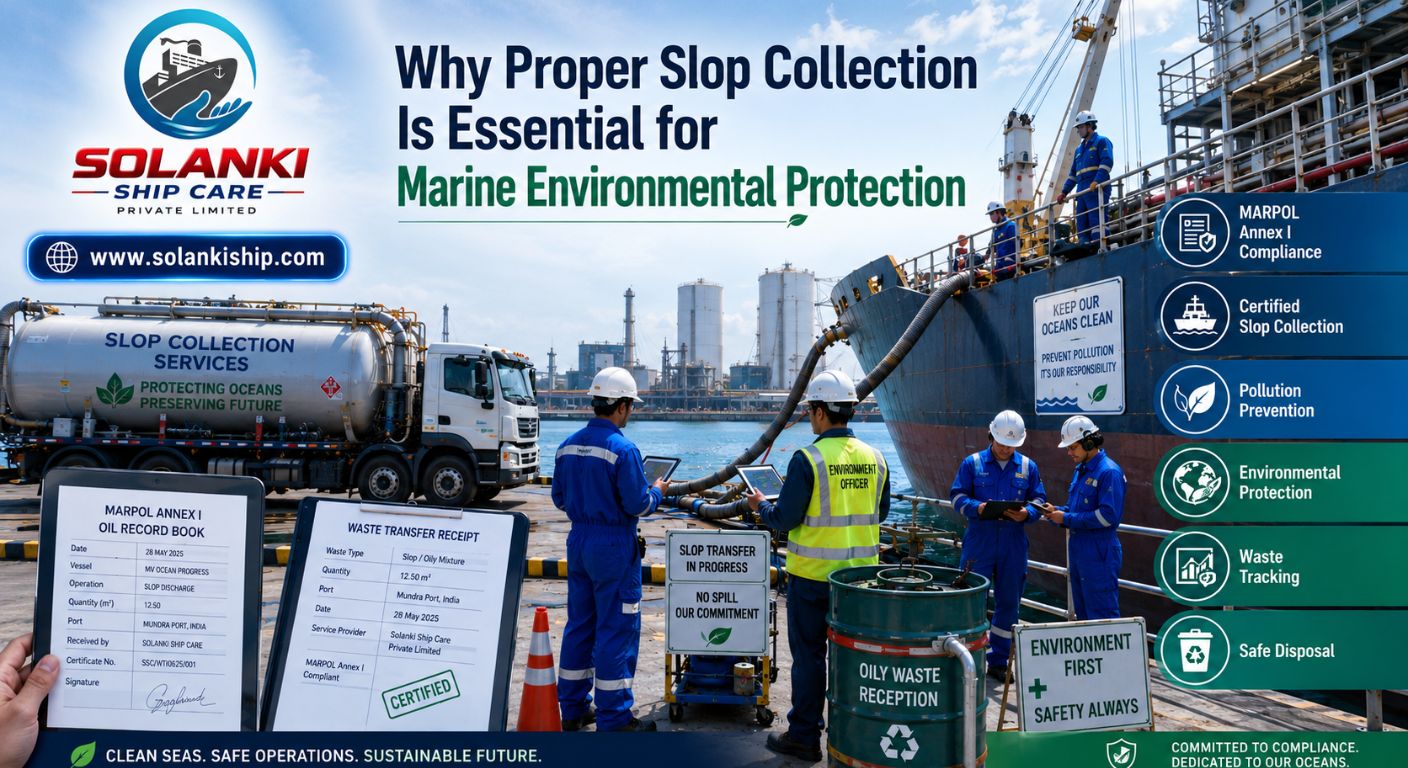
Why Proper Slop Collection Is Essential for Marine Environmental Protection
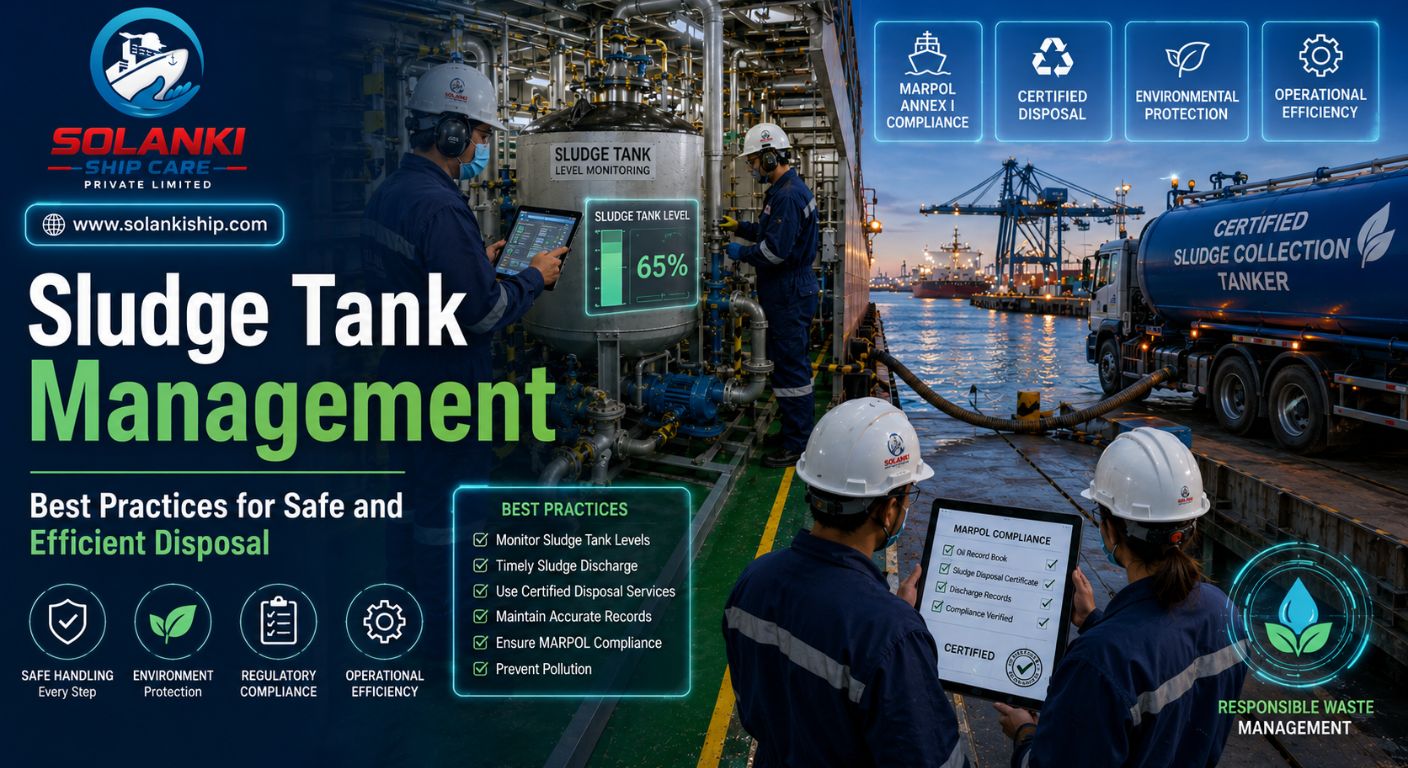
Slop onboard ships is regulated
under MARPOL Annex I. Proper collection prevents pollution, protects marine
ecosystems, and ensures compliance. Solanki Ship Care offers certified slop
collection and disposal services across major Indian ports.
Understanding
Slop Collection and Its Importance
Slop is a mixture of oily water, oil
residues, tank washings, sludge, chemicals, and contaminated liquids generated
during vessel operations. It commonly accumulates during cargo tank cleaning,
machinery maintenance, fuel transfer, bilge operations, and tank washing
procedures. Since slop contains pollutants that can seriously harm marine
ecosystems, MARPOL Annex I requires vessels to discharge it only through
authorized port reception facilities. Proper slop collection protects the
environment, supports regulatory compliance, and promotes sustainable shipping
operations. Learn more at Solanki Ship Care.
1. What Is Slop
and How Is It Generated?
Slop is a combination of oily
residues and contaminated liquids produced during normal ship operations. It is
generated from cargo tank cleaning, crude oil washing, fuel oil transfer, bilge
water treatment, engine room maintenance, and tank washing activities.
Depending on the vessel type, slop may contain hydrocarbons, chemicals,
sediments, and water, making it hazardous to discharge directly into the sea.
Proper collection and segregation are essential to prevent marine pollution and
maintain environmental compliance.
2. Environmental
Risks of Improper Slop Disposal
Improper disposal of slop can have
devastating consequences for marine ecosystems. Oil residues and hazardous
contaminants can spread rapidly across the water surface, affecting marine
life, damaging coral reefs, contaminating fisheries, and polluting coastal
habitats. Even small quantities of oily waste can significantly reduce oxygen
exchange in the water and harm aquatic organisms. Illegal discharge may also
result in heavy fines, vessel detention, reputational damage, and violations of
MARPOL Annex I regulations.
3. Port
Reception Facility Requirements
International regulations require
ports to provide adequate reception facilities for the safe collection and
disposal of slop generated by vessels. These facilities are designed to receive
oily waste without causing unnecessary delays to ship operations. Authorized
reception facilities ensure that collected slop is transported, treated, and disposed
of according to environmental standards. Proper coordination between vessel
operators and certified service providers helps ensure efficient waste handling
while meeting all regulatory requirements.
4. Importance of
Certified Slop Disposal Services
Certified slop disposal services
ensure that hazardous oily waste is collected, transported, treated, and
disposed of safely in accordance with environmental regulations. Professional
service providers issue disposal certificates and supporting documentation
required during Port State Control (PSC) inspections and environmental audits.
Using certified disposal services minimizes compliance risks, protects the
marine environment, and demonstrates a vessel's commitment to responsible waste
management practices.
5. How Solanki
Ship Care Manages Slop Collection Responsibly
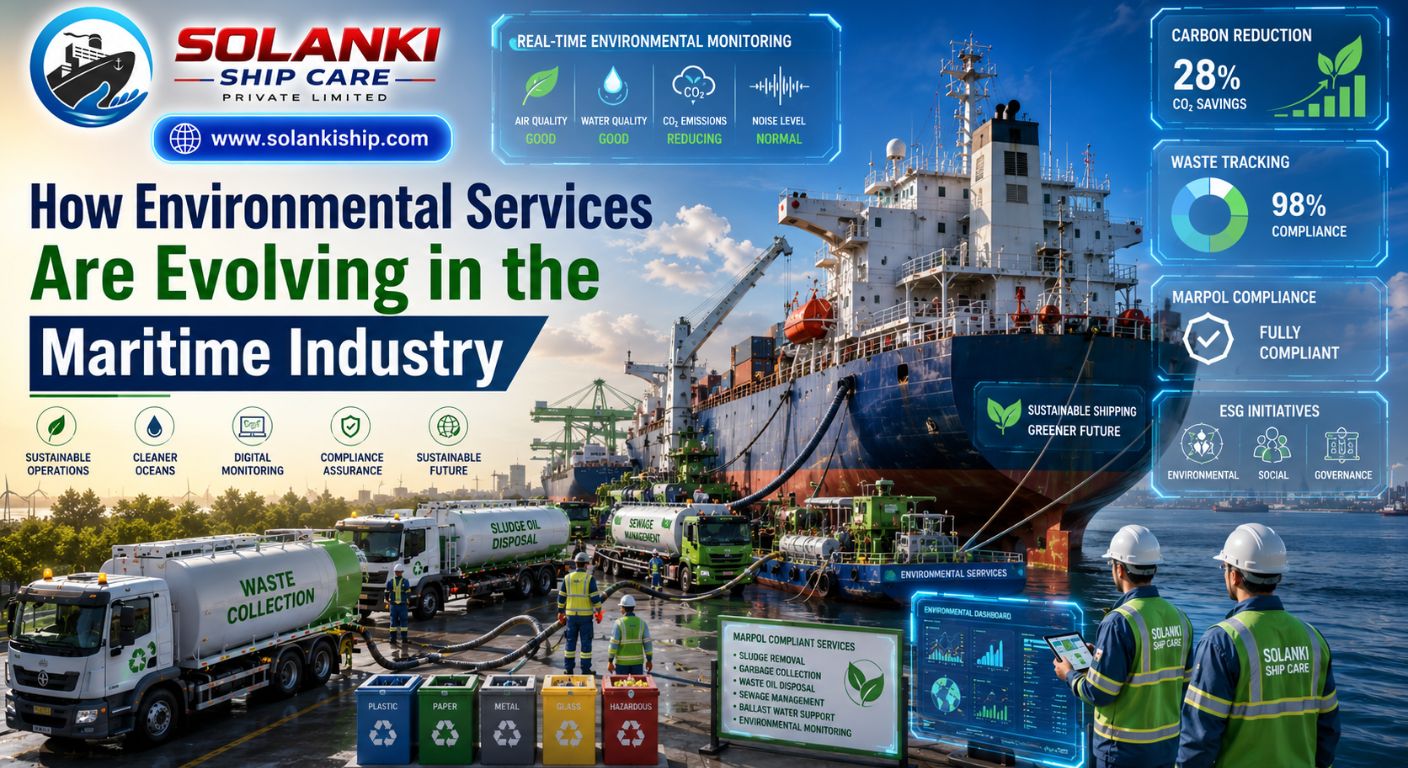
Solanki Ship Care offers reliable
and certified slop collection services across major Indian ports. Our
experienced team coordinates timely waste collection using authorized port
reception facilities while ensuring safe handling of oily residues throughout
the disposal process. We provide complete MARPOL-compliant documentation,
certified disposal records, and efficient operational support to help vessels
avoid delays, maintain environmental compliance, and protect marine ecosystems
through responsible waste management.
Conclusion
Proper slop collection is essential
for protecting marine environments, meeting MARPOL Annex I requirements, and
ensuring sustainable vessel operations. Responsible waste management reduces
pollution risks, supports regulatory compliance, and safeguards ocean
ecosystems for future generations. By partnering with Solanki Ship Care, vessel
operators receive certified slop collection, professional disposal services, and
complete compliance documentation across major Indian ports. Visit Solanki Ship Care.
Frequently Asked
Questions (FAQ)
Q1. What is slop onboard a ship?
Slop is a mixture of oily water, oil residues, tank washings, sludge, and
contaminated liquids generated during vessel operations.
Q2. Why is proper slop collection
important?
It prevents marine pollution, protects ecosystems, and ensures compliance with
MARPOL Annex I regulations.
Q3. Where should slop be disposed
of?
Slop should only be discharged through authorized port reception facilities or
certified disposal service providers.
Q4. What are the risks of improper
slop disposal?
Environmental pollution, legal penalties, vessel detention, operational delays,
and MARPOL violations.
Q5. How does Solanki Ship Care
support slop collection?
Solanki Ship Care provides certified slop collection, safe disposal,
MARPOL-compliant documentation, and reliable services across major Indian
ports.