
Jun 30, 2026
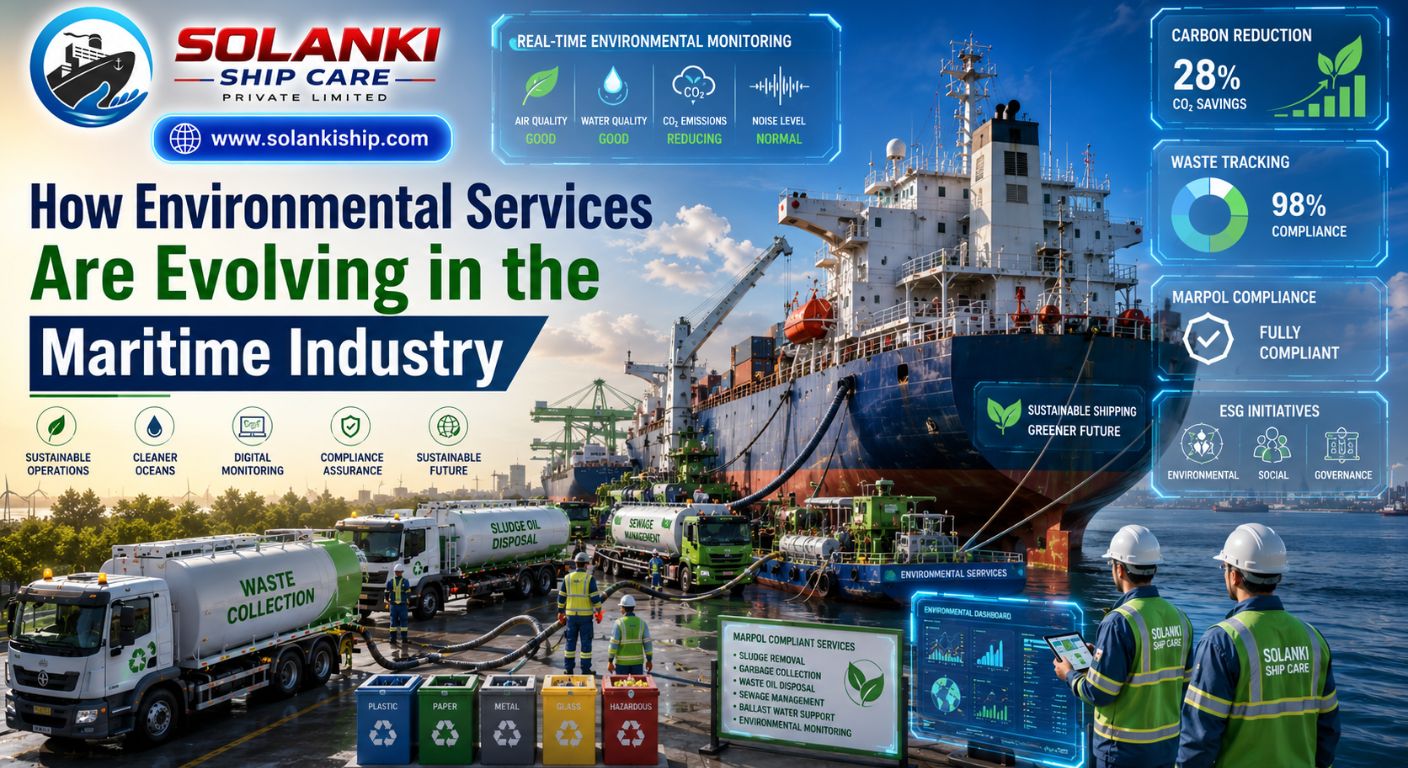
How Environmental Services Are Evolving in the Maritime Industry
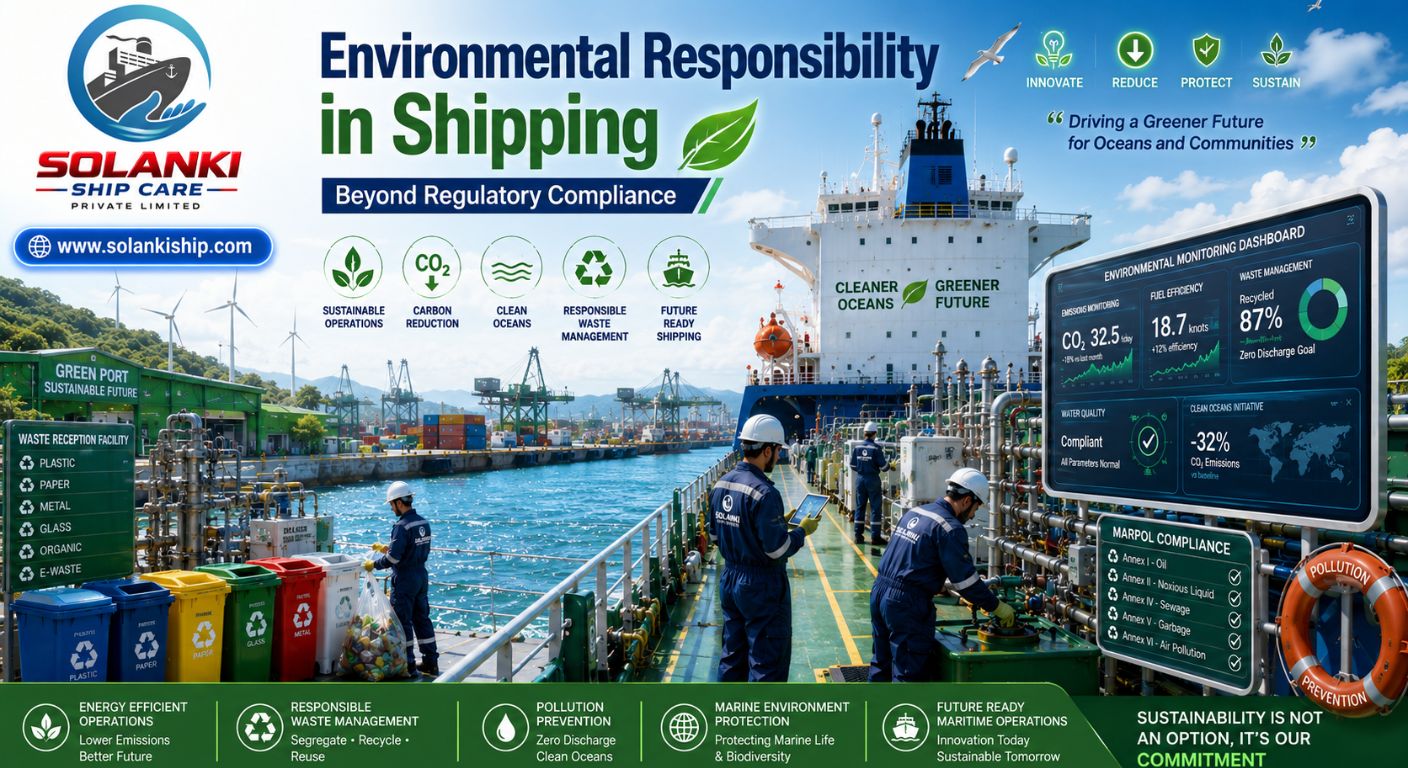
The maritime industry is evolving
with a strong focus on sustainability. Environmental services now include
advanced waste management, digital monitoring, and eco-friendly operations. Solanki
Ship Care supports this shift with reliable, compliant services at major Indian
ports.
Growing
Sustainability in the Modern Shipping Industry
The global shipping industry is
embracing sustainability as governments and customers demand cleaner operations.
Companies are adopting efficient waste management, digital documentation, and
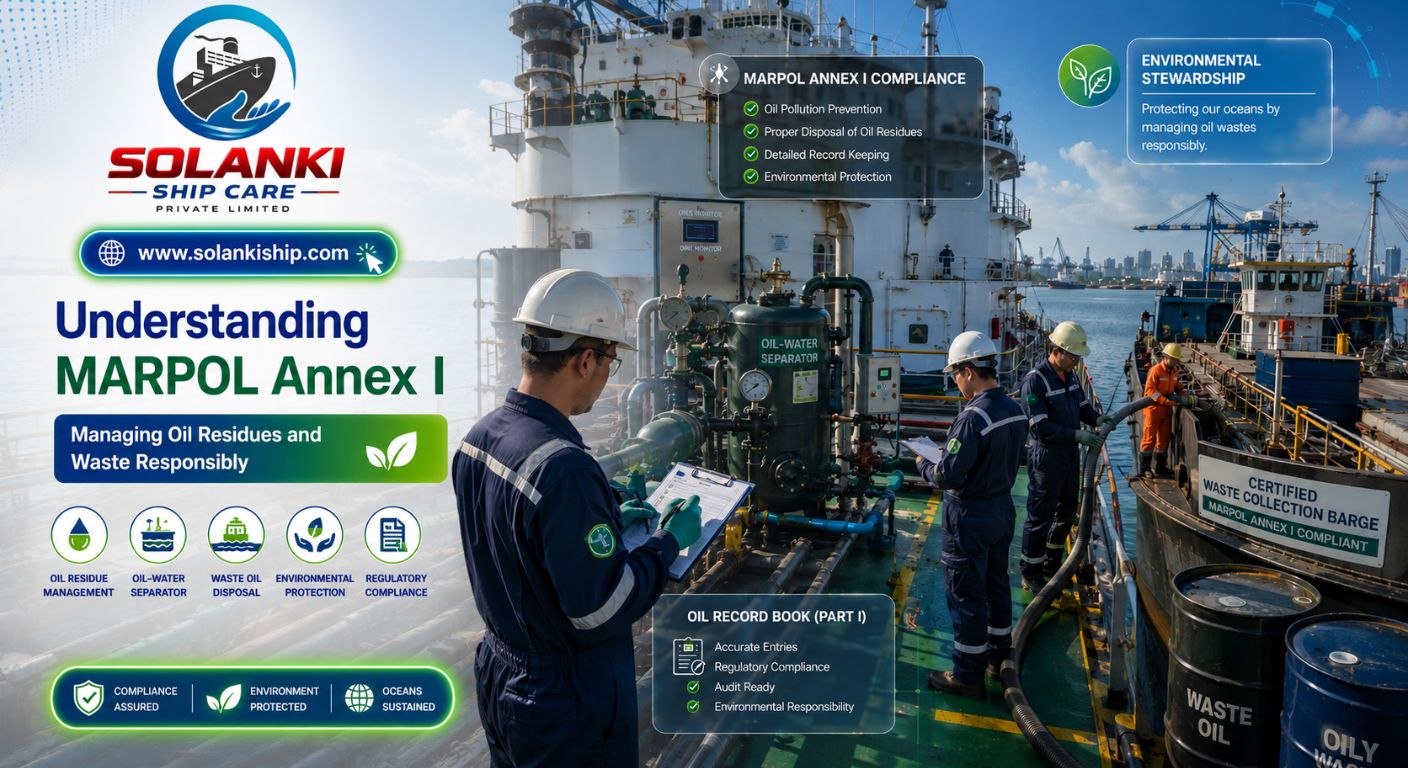
emission reduction technologies. Modern environmental services help vessels
comply with MARPOL regulations while improving efficiency and reducing risks.
As green shipping becomes standard, professional service providers play a key
role in supporting both operational and environmental goals. Learn more at Solanki Ship Care.
1. Digital
Monitoring and Smart Waste Tracking
Environmental management is becoming
increasingly digital in the maritime sector. Ships now use electronic records,
digital waste tracking, automated monitoring, and real-time reporting to
improve compliance. These systems ensure accurate documentation of ship-generated
waste, enhance transparency, reduce errors, and support faster reporting during
port calls.
2. Future
Compliance Requirements for the Shipping Industry
Environmental regulations continue
to evolve as global sustainability initiatives strengthen. Future compliance
will focus on waste tracking, emission reduction, pollution prevention, and
improved environmental reporting. Shipping companies must adopt cleaner
practices and maintain proper documentation to stay compliant. Preparing early
helps reduce risks, avoid delays, and remain competitive in the maritime
industry.
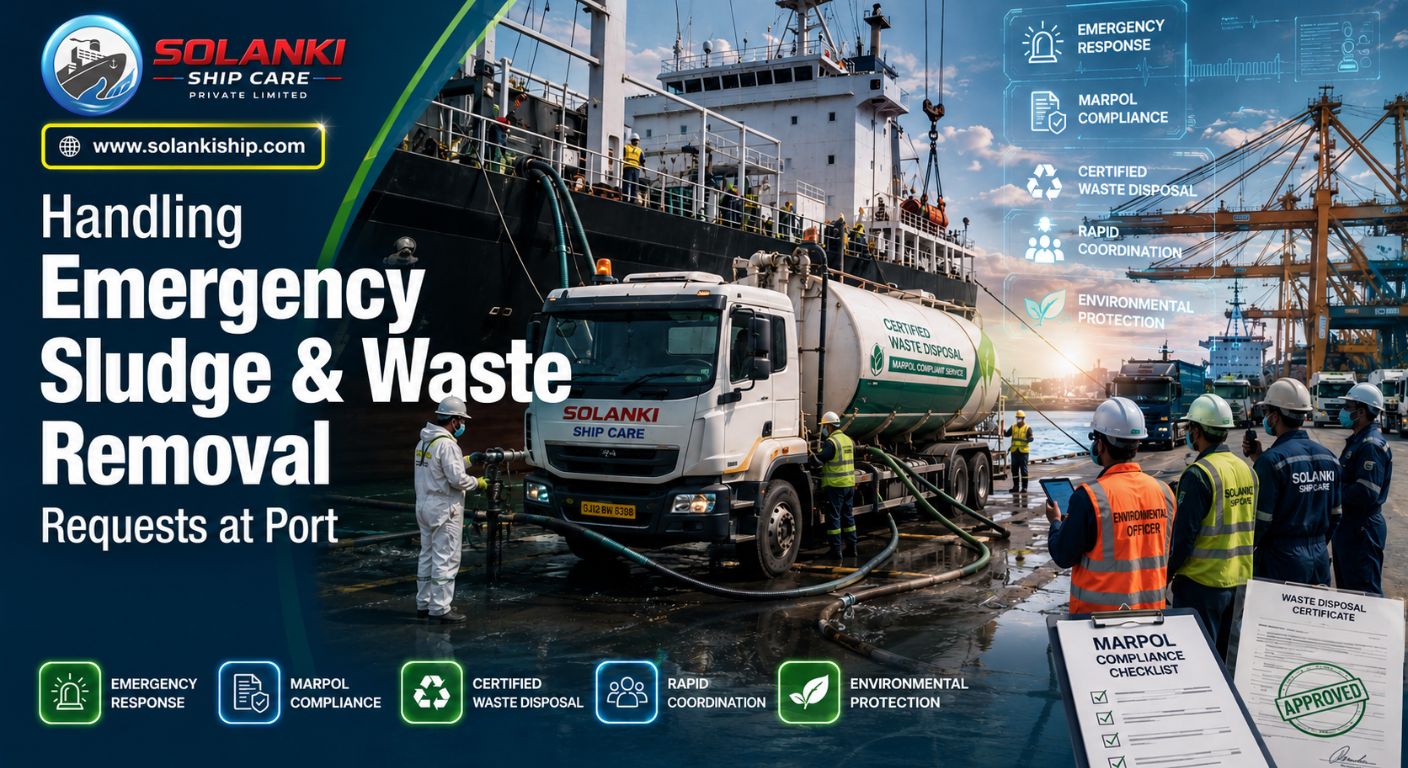
3. Importance of
Professional Environmental Services
Professional environmental services
are essential for safe, compliant, and efficient vessel operations. Certified
providers handle the collection, transport, and disposal of sludge, waste oil,
garbage, and other regulated materials as per MARPOL standards. They also
manage documentation, coordinate with authorized facilities, and support
inspections, helping vessels avoid delays while ensuring compliance and
environmental protection.
4.
Sustainability Through Efficient Port Environmental Operations
Efficient environmental operations
at ports contribute directly to sustainable shipping. Proper coordination of
waste collection, freshwater supply, pollution prevention, and environmental
documentation reduces vessel turnaround time while minimizing environmental
impact. Modern port support services emphasize responsible resource
utilization, spill prevention, safe waste handling, and efficient logistics
planning. By integrating environmental protection into routine port operations,
shipping companies improve both operational performance and long-term
sustainability.
5. How Solanki
Ship Care Adapts to Changing Industry Needs
Solanki Ship Care adapts to evolving
maritime environmental needs by delivering reliable, MARPOL-compliant services
for modern shipping operations. The company provides sludge removal, waste oil
disposal, garbage management, freshwater supply, ship chandling, and
environmental documentation support. With a focus on efficiency, compliance,
and responsible operations, Solanki Ship Care helps vessels reduce delays and
meet sustainability standards across Indian ports.
Conclusion
Environmental services are evolving
as the maritime industry focuses on sustainability, digitalization, and
stricter compliance. Modern environmental management now includes digital
monitoring, efficient resource use, and pollution prevention beyond basic waste
disposal. Shipping companies adopting these practices improve efficiency while
protecting the marine environment. Solanki Ship Care supports vessels with
reliable, compliant, and future-ready environmental services.
Visit Solanki Ship Care
to learn more about maritime environmental solutions.
Frequently Asked Questions (FAQ)
Q1. Why are environmental services
becoming more important in the maritime industry?
They help ships meet sustainability goals, follow regulations, reduce
pollution, and improve efficiency.
Q2. What is digital waste tracking
in shipping?
It uses electronic systems to monitor and record waste handling for better
compliance and transparency.
Q3. What future environmental
regulations should shipping companies prepare for?
Future rules will focus on stricter waste management, emission reduction, and
improved environmental reporting.
Q4. Why should vessels use
professional environmental service providers?
They ensure safe waste handling, compliance, proper documentation, and smooth
port operations.
Q5. How does Solanki Ship Care
support sustainable maritime operations?
Solanki Ship Care offers compliant waste management, disposal, and reliable
marine support services.