
Jul 01, 2026
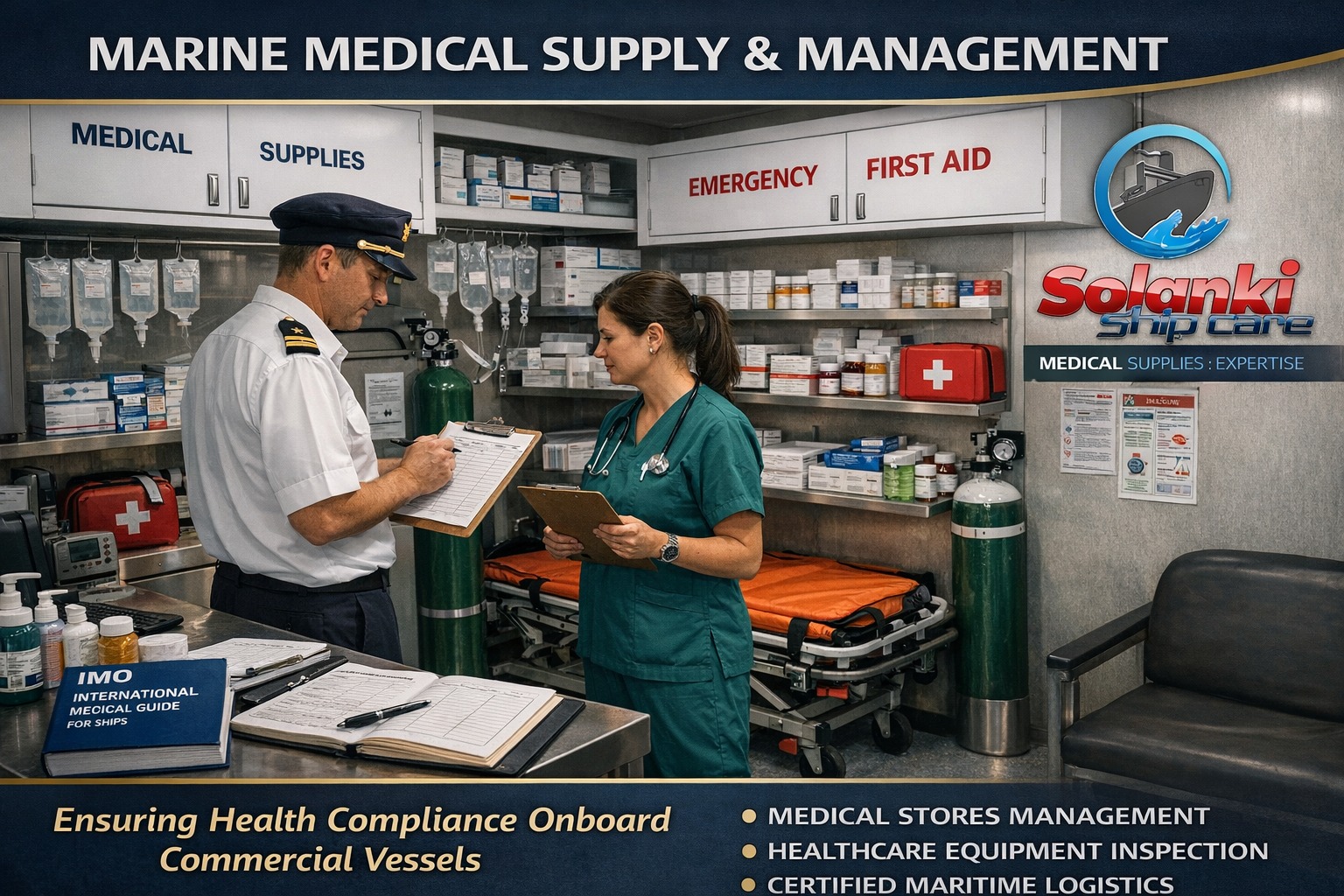
MEDICAL & FIRST-AID STORE READINESS: ENSURING HEALTH COMPLIANCE ONBOARD
Introduction
Health preparedness onboard a vessel is not optional it is a statutory obligation and a critical
safety responsibility. At sea, where immediate shore-based medical assistance
may not be available, a properly maintained and compliant medical store becomes
the first line of response during emergencies.
Medical and first-aid store
readiness ensures crew welfare, regulatory compliance, and uninterrupted vessel
operations. A structured system of monitoring, replenishment, and documentation
protects vessels from inspection deficiencies and operational risks.
1. Mandatory Medical Store
Requirements
Compliance with Maritime Health Regulations
Every vessel must carry a medical
chest and first-aid equipment as per flag state regulations and international
maritime guidelines. The contents and quantities vary depending on vessel type,
trading area, and crew strength.
Mandatory
medical store requirements generally include:
• Emergency life-saving medicines
• Antibiotics and analgesics
• Cardiac and respiratory emergency drugs
• Sterile dressings, bandages, and suturing kits
• Diagnostic tools such as thermometers and BP apparatus
• Oxygen cylinders and resuscitation equipment
• Updated medical reference guides
Maintaining the required inventory
ensures full compliance during Port State Control (PSC) and flag inspections.
2. Importance of In-Date Medicines
Ensuring Effectiveness and Patient Safety
Expired medicines can lose potency
and compromise treatment outcomes. Regular monitoring of expiry dates is
essential to maintain the effectiveness and reliability of onboard medical
supplies.
Best
practices include:
• Monthly expiry date verification
• Maintaining expiry tracking registers
• Replacing short-dated medicines proactively
• Safe disposal of expired drugs
• Ensuring medicines are sealed and intact
Proper expiry management safeguards
crew health and demonstrates responsible compliance management.
3. Inspection Preparedness
Avoiding PSC Observations and Detentions
Medical stores are routinely checked
during Port State Control inspections, internal audits, and flag surveys.
Non-compliance may result in deficiencies, fines, or even vessel detention.
Inspection
preparedness requires:
• Updated inventory lists
• Organized and clearly labeled storage
• Valid medical chest certificates (where applicable)
• Proper storage of temperature-sensitive medicines
• Documentation of procurement and replenishment
A well-prepared medical store
reflects a vessel’s commitment to safety and regulatory standards.
4. Storage and Inventory Practices
Maintaining Quality Through Proper Handling
Medical supplies must be stored in a
clean, dry, and secure location with restricted access. Improper storage
conditions can damage medicines and reduce effectiveness.
Effective
storage practices include:
• Categorized arrangement of medicines
• Separate compartments for tablets, injectables, and liquids
• Protection from heat, moisture, and sunlight
• Temperature monitoring for sensitive items
• Regular stock audits and reconciliation
Structured inventory control ensures
readiness during emergencies and prevents shortages at sea.
5. Preventing Operational and Health
Risks
Proactive Medical Store Management
Medical emergencies at sea demand
immediate response. Inadequate or poorly maintained medical stores increase
health risks and operational liabilities.
Risk
prevention measures include:
• Maintaining minimum stock levels
• Conducting periodic checks and drills
• Ensuring emergency kits are easily accessible
• Training crew in first-aid procedures
• Planning replenishment before major voyages
Proactive management ensures
continuous health protection for crew members onboard.
6. How Solanki Ship Care Supplies
Compliant Medical Stores
Reliable and Regulation-Compliant Marine Medical Solutions
Solanki Ship Care provides fully
compliant medical and first-aid store supplies across Indian ports, ensuring
vessels meet statutory and inspection requirements without delay.
Our
services include:
• Supply as per flag state and international regulations
• Certified, in-date medicines
• Organized packing with detailed inventory lists
• Timely berth and anchorage deliveries
• Emergency supply arrangements
• Transparent documentation and compliance support
With strong supplier networks and
operational coordination, Solanki Ship Care ensures vessels remain medically
prepared and inspection-ready at all times.
Conclusion
Ensuring Health Security and Compliance at Sea
Medical and first-aid store
readiness is a fundamental pillar of vessel safety management. Systematic
planning, expiry monitoring, proper storage, and reliable supplier coordination
are essential to safeguard crew health and maintain regulatory compliance.
By delivering quality-assured and regulation-compliant medical supplies, Solanki Ship Care remains committed to supporting safe, healthy, and uninterrupted maritime operations across Indian ports.