
Aug 06, 2026
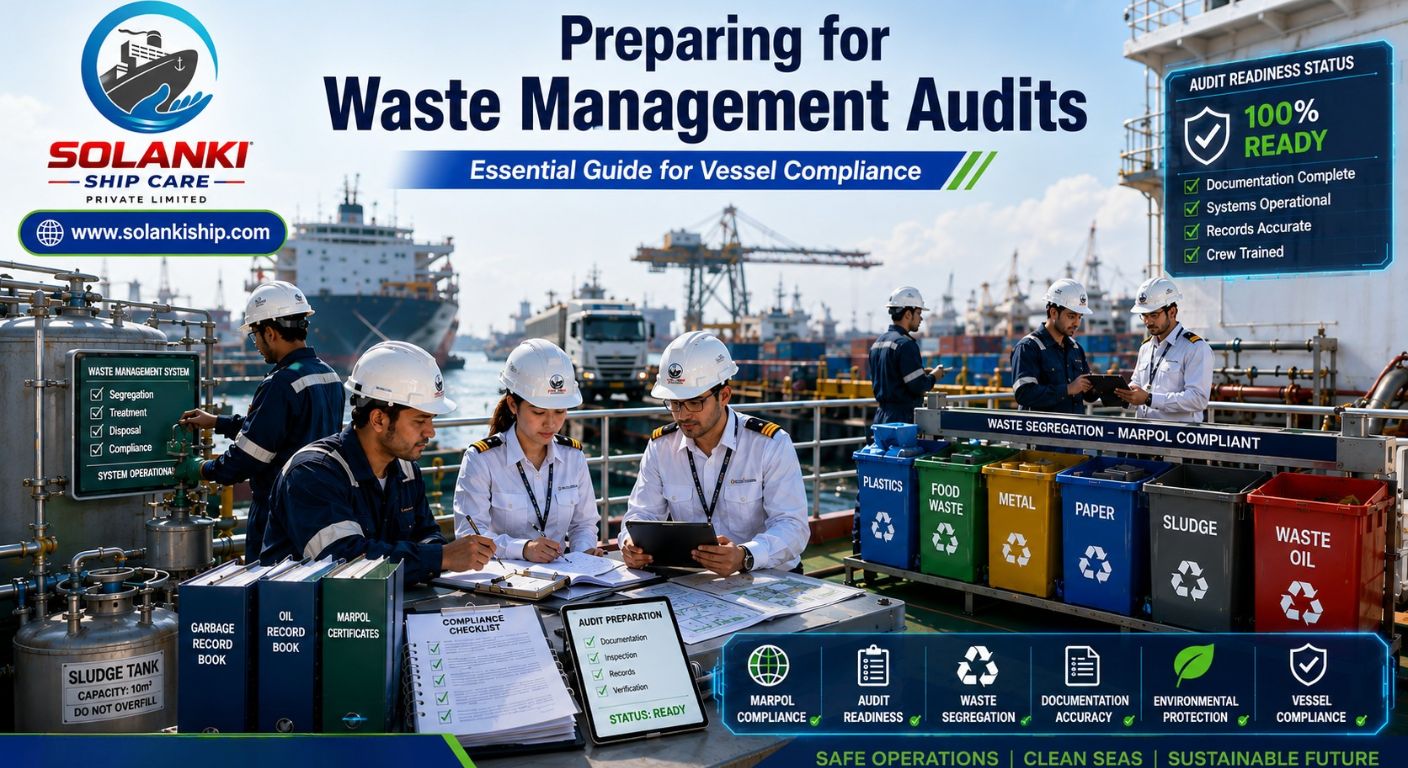
Preparing for Waste Management Audits: Essential Guide for Vessel Compliance
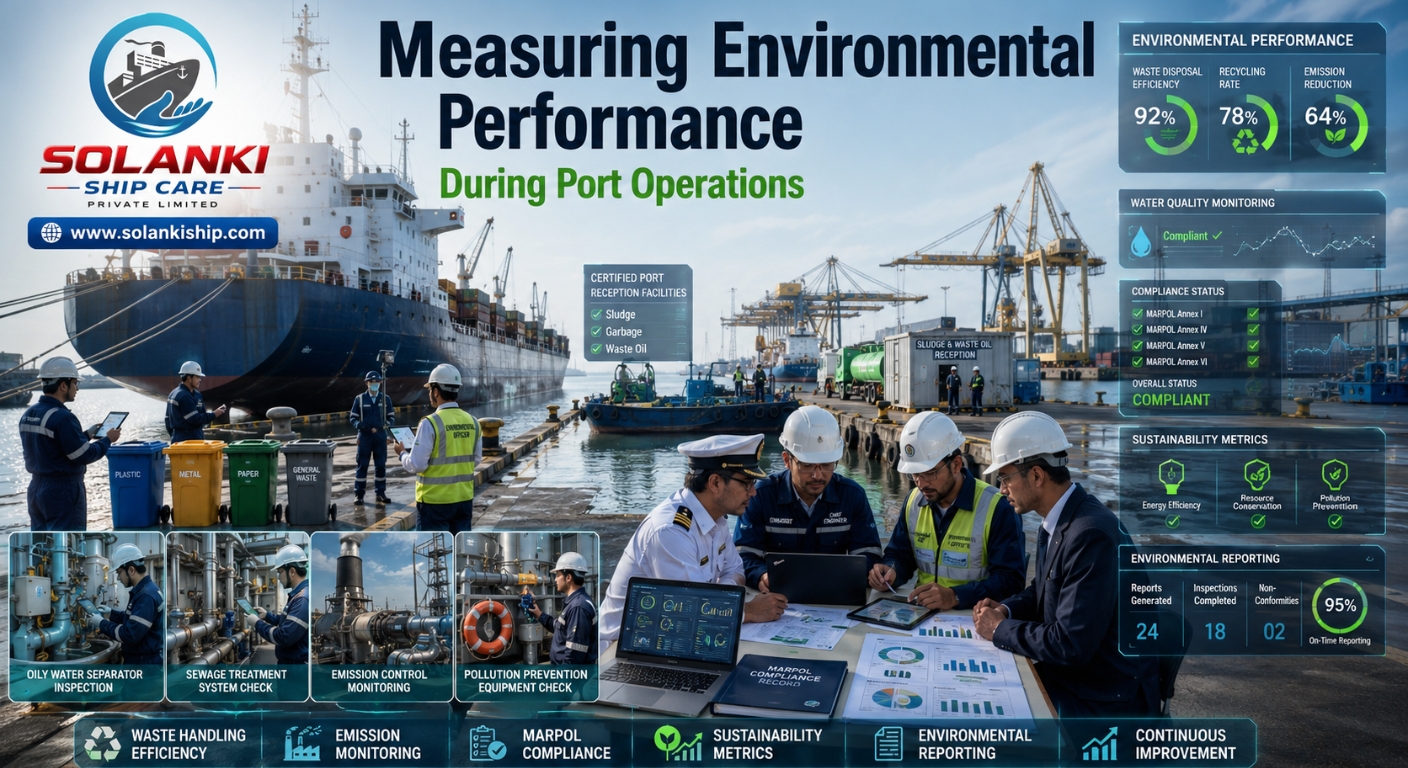
Effective waste management audits
for vessels ensure regulatory compliance and environmental protection. They
verify proper handling, storage, documentation, and disposal of waste under
MARPOL regulations, helping vessels avoid penalties and operational
disruptions.
Understanding Waste Management
Audits Onboard Vessels
Waste management audits are
conducted by maritime authorities, classification societies, flag administrations,
and Port State Control inspectors. These audits assess waste handling
procedures, onboard equipment, crew awareness, documentation accuracy, and
disposal practices. A vessel that is well-prepared demonstrates strong
compliance, environmental responsibility, and operational efficiency. Learn
more at Solanki
Ship Care
1. Importance of
Onboard Waste Management Systems
An efficient onboard waste
management system is essential for compliance and protecting marine ecosystems,
as ships generate various types of waste such as garbage, sludge, oily waste,
food waste, and recyclables that require proper handling; a well-maintained
system ensures adherence to ship waste management regulations, prevents
pollution, improves operational efficiency, supports proper waste segregation,
and reduces the risk of audit failures and inspection deficiencies.
2. Audit Requirements and Key
Inspection Points
During a ship waste management
audit, inspectors assess operational practices and documentation, including
waste storage, segregation, sludge handling, disposal equipment, crew
knowledge, and records such as the Garbage Record Book, Oil Record Book, and
disposal certificates, ensuring procedures are properly followed in practice.
3. Common Non-Conformities Found
Onboard
Common audit deficiencies include
incomplete Garbage Record Book entries, incorrect Oil Record Book records,
missing disposal receipts, poor waste segregation, improper labeling of waste
containers, outdated waste management plans, lack of crew training, and
improper waste storage; addressing these problems proactively ensures smooth
audits and avoids penalties.
4. Documentation and Record-Keeping
Best Practices
Accurate documentation is critical
for audit success, and vessels must maintain updated records of all waste
handling and disposal activities, including the Garbage Record Book, Oil Record
Book, disposal certificates, waste transfer receipts, and crew training
records, as proper record-keeping demonstrates compliance, supports internal
audits, and ensures readiness for inspections, making organized and timely
documentation essential for passing audits successfully.
5. How Solanki Ship Care Supports
Audit Readiness
Solanki Ship Care offers
professional ship waste management services, including sludge removal and
garbage disposal, ensuring full MARPOL compliance, while providing authorized
waste disposal along with proper documentation and certificates; with expertise
and reliable service, Solanki Ship Care helps vessels maintain compliance,
improve documentation accuracy, and stay fully prepared for waste management
audits and inspections.
Conclusion
Waste management audits are vital
for ensuring environmental compliance and efficient vessel operations. Proper
systems, accurate documentation, trained crew, and compliant disposal practices
help vessels avoid deficiencies and maintain smooth operations. Solanki Ship
Care supports vessels with reliable waste management solutions and compliance
assistance.
Visit Solanki Ship Care to
learn more about their professional services and how they can support your
vessel’s compliance needs.
Frequently Asked Questions (FAQ)
Q1. What is a waste management audit
on a vessel?
It is an inspection that evaluates waste handling procedures, equipment, and
documentation for compliance with maritime regulations.
Q2. What documents are checked
during waste management audits?
Garbage Record Book, Oil Record Book, disposal certificates, waste receipts,
and waste management plans.
Q3. What are common audit
deficiencies?
Incomplete records, poor waste segregation, missing documents, and lack of crew
awareness.
Q4. Why is documentation important
for audits?
It proves compliance and ensures successful inspection outcomes.
Q5. How does Solanki Ship Care help
vessels?
By providing compliant waste disposal services, documentation support, and
MARPOL-certified solutions.