
Jul 11, 2026
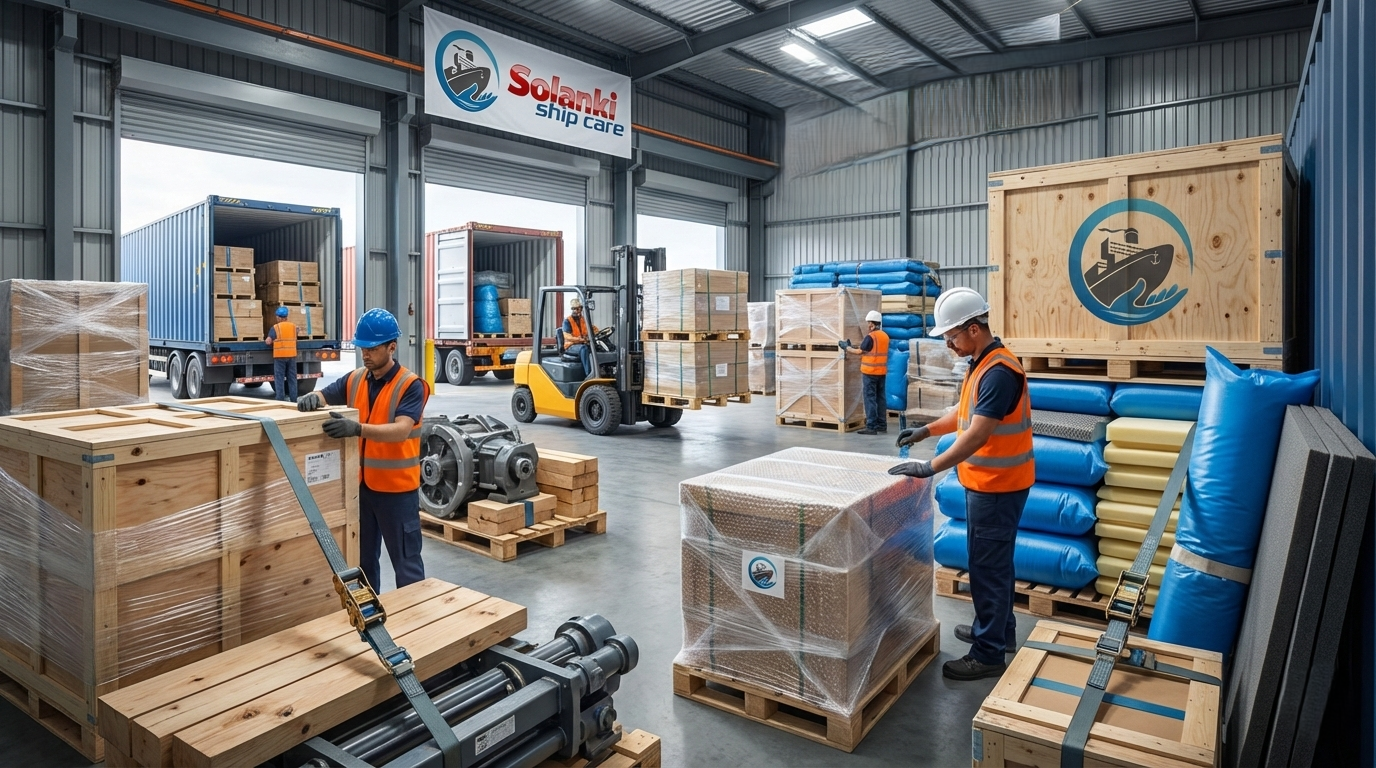
PACKING & DUNNAGE MATERIALS: PROTECTING CARGO DURING HANDLING AND TRANSIT
Reliable Cargo Protection at Sea
Cargo transported by sea is
constantly exposed to movement, vibration, humidity, and handling stress.
Without proper packing and dunnage materials, even well-planned shipments can
suffer serious damage. From bulk commodities to heavy project cargo, protective
materials play a vital role in maintaining cargo stability and structural
integrity throughout the voyage.
Packing and dunnage are not just
supportive materials they are critical
safety components that reduce financial loss, prevent cargo claims, and ensure
smooth marine operations.
1. ROLE OF DUNNAGE IN CARGO SAFETY
Stability and Load Distribution
Dunnage refers to materials placed
beneath, between, or around cargo to secure and protect it during handling and
transit. Proper dunnage prevents shifting, absorbs shock, and distributes
weight evenly across the cargo hold.
Key
functions of dunnage include:
• Preventing cargo movement caused
by vessel rolling and pitching
• Protecting cargo from direct contact with steel surfaces
• Distributing concentrated loads across tank tops
• Reducing vibration impact
• Maintaining proper spacing between cargo units
• Supporting heavy-lift and oversized cargo
Inadequate dunnage can result in
structural damage, cargo collapse, contamination, and expensive claims.
2. TYPES OF PACKING MATERIALS USED
ONBOARD
Engineered for Marine Conditions
Different cargo types require
specific packing materials depending on weight, fragility, and environmental
exposure. Marine packing materials must withstand moisture, pressure, and
movement during long sea voyages.
Common
materials used onboard include:
• Wooden Dunnage (timber blocks,
planks, wedges)
• Plywood sheets for surface protection
• Inflatable Dunnage Airbags for gap filling
• Rubber mats for anti-slip protection
• Plastic sheets for moisture barriers
• Corrugated sheets for cushioning
• Foam padding for fragile cargo
• Steel strapping and lashing materials
• Tarpaulins for weather protection
Selecting the correct material
ensures maximum cargo protection and regulatory compliance.
3. PREVENTING MOISTURE AND
STRUCTURAL DAMAGE
Protecting Cargo from Environmental
Risks
Moisture is one of the leading
causes of cargo damage at sea. Condensation, commonly known as “cargo sweat,”
can damage steel products, machinery, agricultural goods, and packaged
materials.
Preventive
measures include:
• Using moisture-resistant liners
and plastic wrapping
• Installing desiccants inside cargo holds or containers
• Ensuring wooden dunnage is dry and treated
• Elevating cargo above tank tops
• Applying anti-corrosion coatings where required
• Maintaining proper ventilation during transit
Structural damage can also be
minimized through proper weight planning, secure lashing, and correct cargo
distribution to withstand vessel motion.
4. INSPECTION CONSIDERATIONS FOR
CARGO HOLDS
Ensuring Hold Readiness Before
Loading
Cargo hold preparation is a critical
step before loading operations begin. A poorly prepared hold can compromise
even the best packing arrangements.
Important
inspection considerations include:
• Checking for moisture, water
ingress, or condensation
• Ensuring holds are clean and free from previous cargo residues
• Inspecting tank tops and bulkheads for damage
• Verifying bilge systems are operational
• Checking ventilation systems
• Confirming compliance with charter party requirements
Thorough inspection combined with
proper dunnage application significantly reduces cargo risk.
5. HOW SOLANKI SHIP CARE SUPPLIES
QUALITY PACKING MATERIALS
Dependable Marine Cargo Protection
Solutions
Solanki Ship Care provides reliable
packing and dunnage supply services tailored to marine operational needs. With
practical knowledge of cargo handling and vessel requirements, the company
ensures high-quality materials that meet safety standards.
Service
strengths include:
• Supply of premium-grade wooden and
treated dunnage
• Provision of moisture control materials and desiccants
• Availability of airbags, rubber mats, and lashing equipment
• Quality inspection before dispatch
• Timely delivery at major ports
• Coordination with vessel masters and technical teams
• Emergency supply support during port calls
By delivering durable, compliant, and
performance-tested materials, Solanki Ship Care supports safe and damage-free
cargo transportation.
CONCLUSION
Packing and dunnage materials are
essential for protecting cargo during handling and sea transit. From preventing
movement to controlling moisture and structural stress, these materials play a
fundamental role in marine logistics safety.
Through quality supply, technical
expertise, and operational reliability, Solanki Ship Care ensures secure cargo
handling and smooth voyages across global shipping routes.