
May 09, 2026
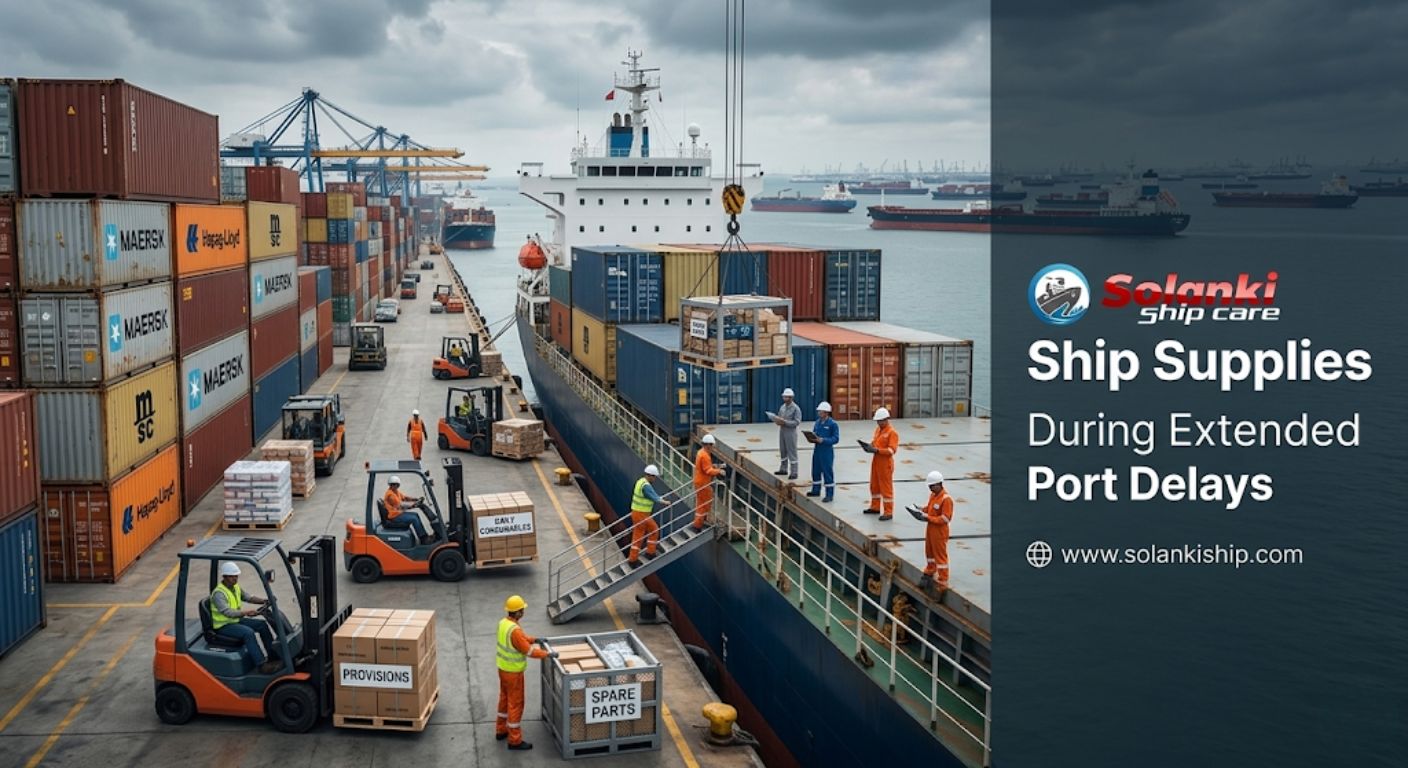
Managing Ship Supplies During Extended Port Delays
Extended
port delays can disrupt vessel operations due to congestion, weather issues,
customs clearance, and labor shortages. During these situations, vessels
require additional provisions, technical supplies, and safety equipment to
maintain smooth operations. Solanki Ship Care provides reliable ship supply
services that help vessels avoid shortages and operational disruptions during
prolonged port stays.
WHY MANAGING SHIP SUPPLIES DURING PORT DELAYS IS IMPORTANT
Extended port stays can affect
vessel schedules, crew welfare, and onboard inventory management. Increased
consumption of provisions, engine consumables, cleaning materials, and safety
equipment can quickly lead to shortages if supplies are not properly managed.
Efficient ship supply planning helps vessels maintain uninterrupted operations
and onboard efficiency. Learn more at www.solankiship.com
1. REASONS FOR PROLONGED PORT STAYS
Several factors contribute to
extended port delays in the shipping industry. Port congestion, adverse weather
conditions, customs clearance procedures, labor shortages, cargo handling
delays, and technical inspections are some of the most common reasons. Mechanical
issues onboard vessels may also increase waiting time at ports and require
additional operational support.
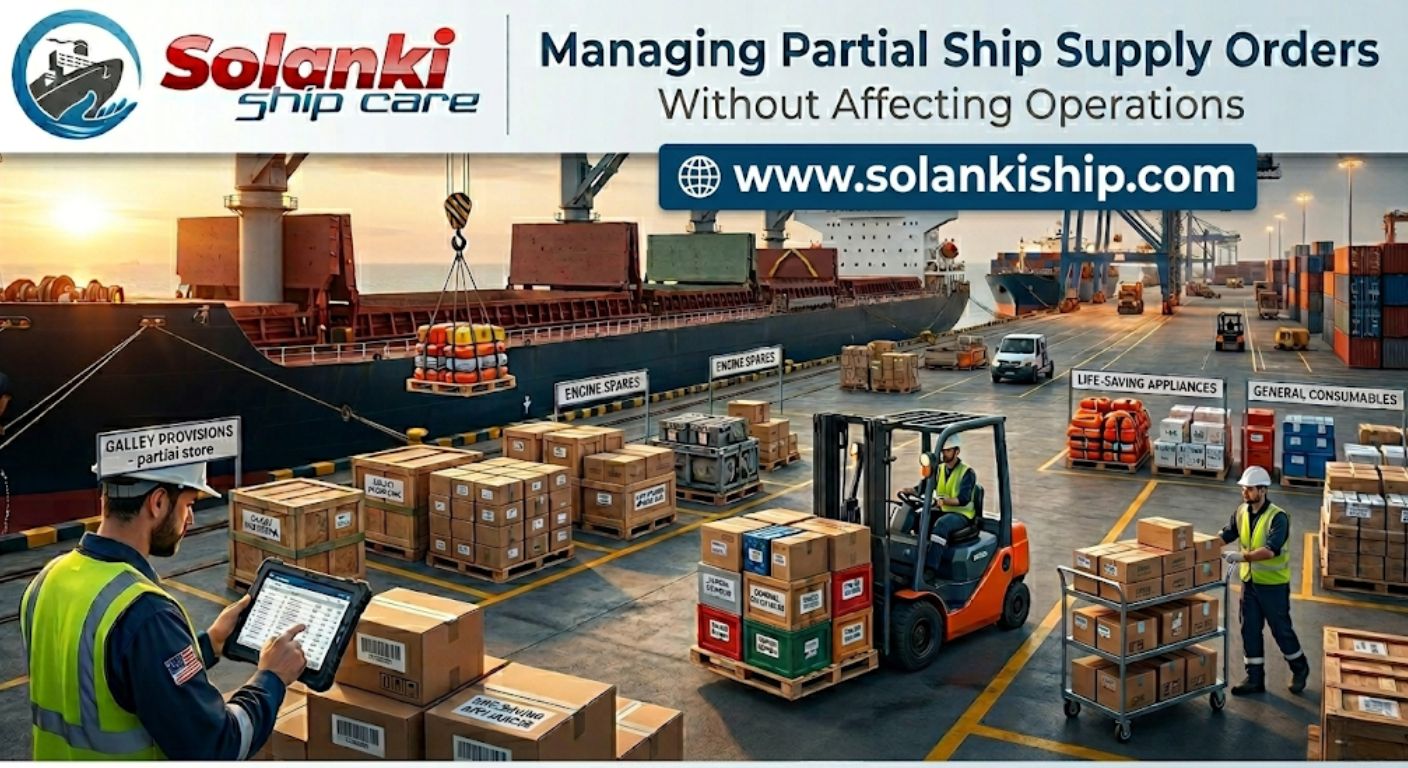
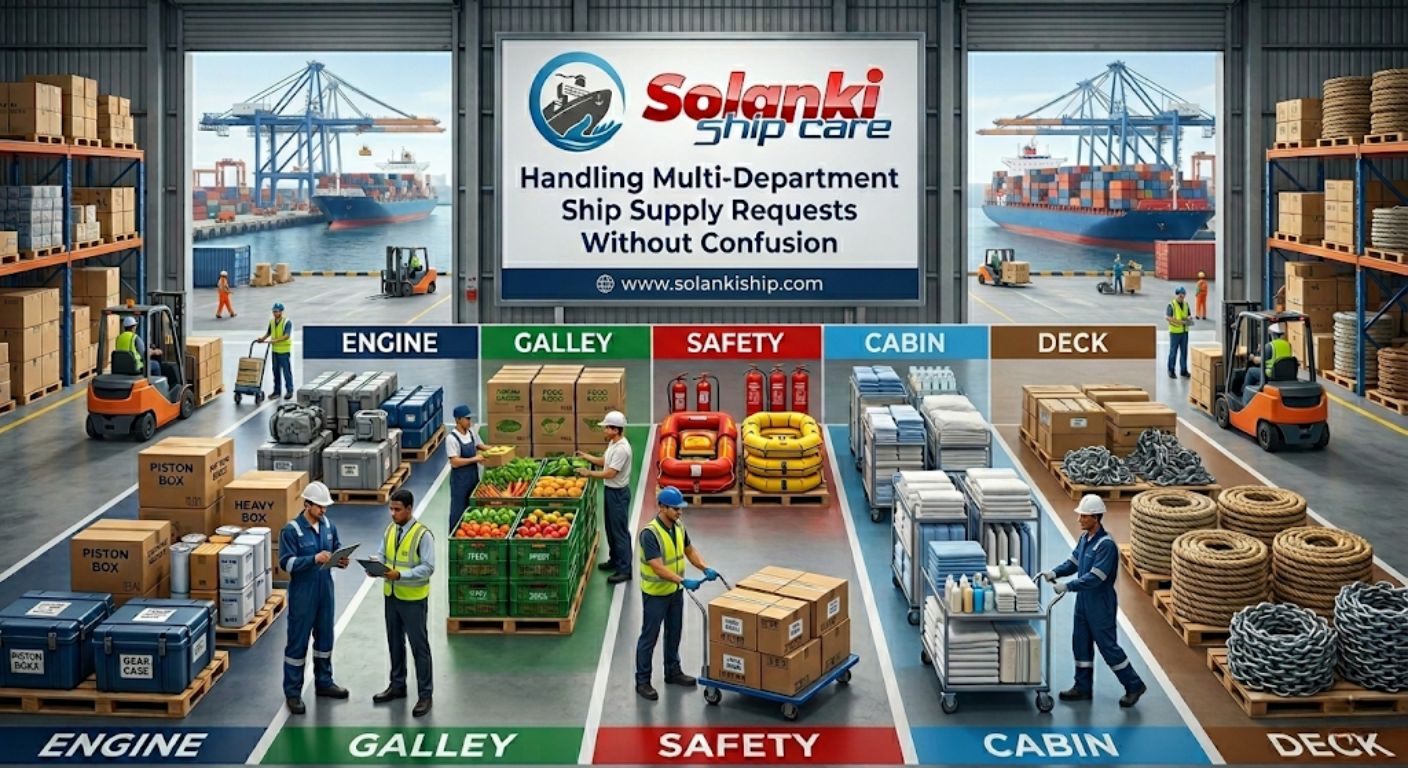
2. ADDITIONAL SUPPLY REQUIREMENTS DURING EXTENDED DELAYS
Long port stays increase the demand
for onboard supplies across multiple departments. Galley teams may require
extra food provisions and beverages, while engine departments may need
lubricants, spare parts, and technical consumables. Cabin departments often
require additional cleaning materials and welfare products, while deck teams
may need maintenance tools and safety equipment. Proper supply planning helps
vessels remain operational during delays.
3. PREVENTING SHORTAGE OF ESSENTIAL SHIP SUPPLIES
Preventing supply shortages requires
regular inventory monitoring and proper coordination with ship suppliers.
Maintaining updated stock records helps identify low inventory levels before
shortages occur. Early replenishment planning for provisions, technical stores,
medical supplies, and safety equipment helps vessels avoid operational disruptions
during extended port stays.
4. QUICK REPLENISHMENT STRATEGIES FOR DELAYED VESSELS
Fast replenishment strategies are
essential during prolonged port delays. Reliable ship suppliers maintain ready
inventory systems and strong logistics networks to support urgent vessel
requirements. Efficient coordination, organized documentation, and real-time
communication help speed up supply deliveries and minimize operational
interruptions.
5. HOW SOLANKI SHIP CARE SUPPORTS VESSELS DURING DELAYS
Solanki Ship Care provides
dependable ship chandelling and marine supply services for vessels facing
extended port stays. Their team ensures timely delivery of fresh provisions,
engine stores, deck supplies, cabin essentials, and safety equipment based on
vessel requirements. With efficient logistics coordination and reliable marine
support, they help vessels maintain smooth and uninterrupted operations during
delays.
CONCLUSION
Managing ship supplies during
extended port delays requires proper planning, efficient coordination, and
quick replenishment support. From preventing shortages to maintaining
uninterrupted vessel operations, reliable ship supply management plays a vital
role during prolonged port stays. Solanki Ship Care delivers professional and
efficient ship supply services that help vessels remain fully prepared during
unexpected delays.
For reliable and professional ship
supply services, visit www.solankiship.com
FREQUENTLY ASKED QUESTIONS (FAQ)
Q1. What causes
extended port delays for vessels?
Port congestion, weather conditions,
customs clearance issues, labor shortages, and technical inspections commonly
cause prolonged port stays.
Q2. Why do
vessels require additional supplies during delays?
Extended stays increase the
consumption of food provisions, technical consumables, safety equipment, and
crew essentials onboard.
Q3. How can
vessels prevent shortages during prolonged port stays?
By monitoring inventory regularly,
planning replenishment early, and coordinating with reliable ship suppliers.
Q4. What are
quick replenishment strategies in ship supply management?
Efficient logistics coordination,
ready inventory systems, and real-time communication help speed up urgent
supply deliveries.
Q5. How does Solanki
Ship Care support vessels during port delays?
They provide timely delivery of
provisions, technical stores, safety equipment, and marine supplies through
reliable logistics support.